Project Overview
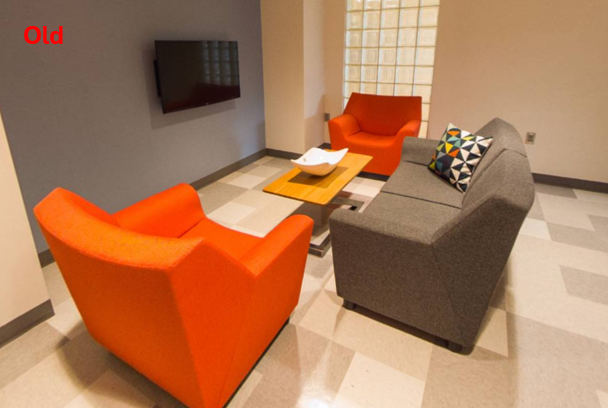
When Lauder College House opened in 2015, Residential Services strategically purchased high-quality Herman Miller furniture with sustainability in mind. In summer 2024, as the furniture reached the end of its initial lifespan, Building Operations conducted a thorough assessment and determined that all furniture frames remained structurally sound.
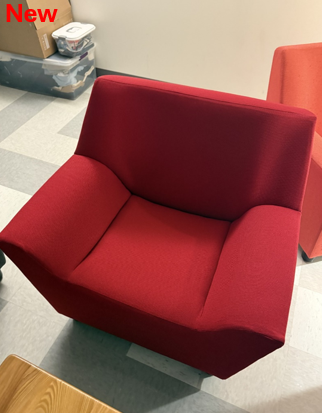
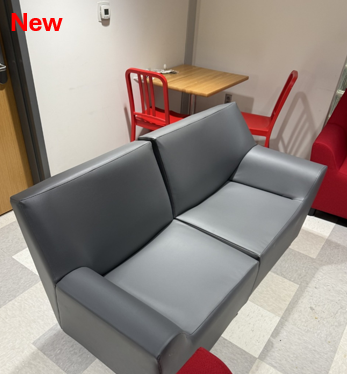
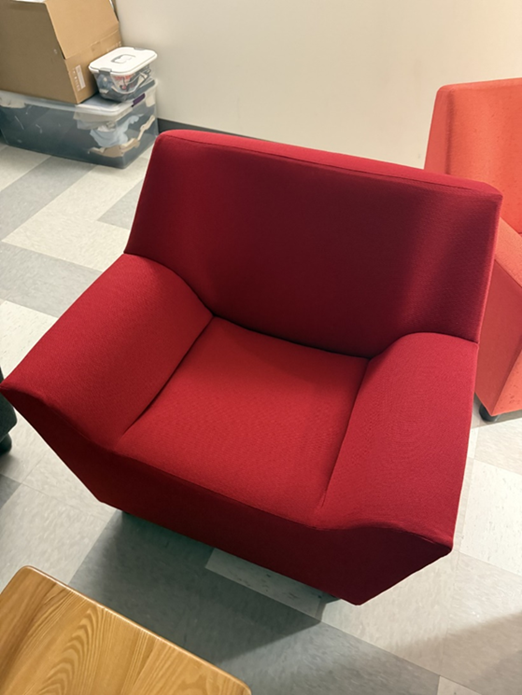
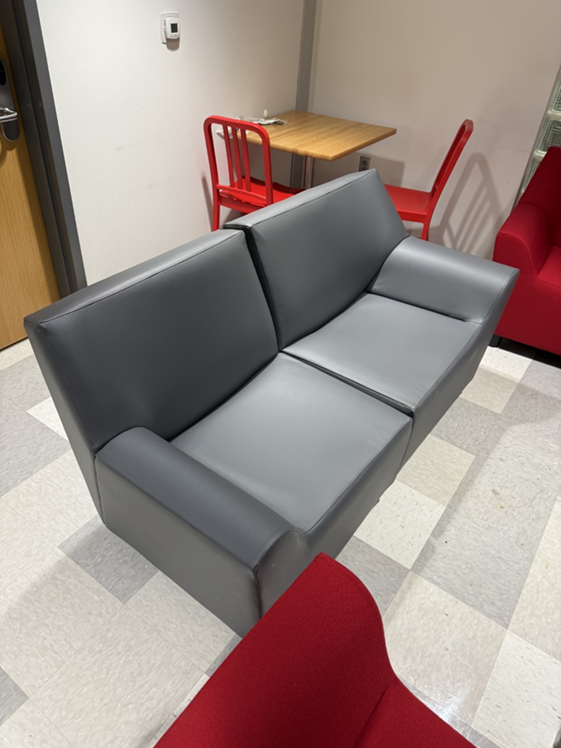
Rather than following the traditional approach of wholesale replacement and disposal, the Residential Services Building Operations team implemented an innovative reupholstery program for all soft seating—including sofas and armchairs—in every residential room throughout Lauder College House. This initiative marked the first time Penn implemented reupholstery on such a large scale, representing a systematic, comprehensive approach to furniture lifecycle management rather than the typical one-off replacements. Special Project Coordinator Caleb Younkman expertly managed the complex logistics of this ambitious project.
Collaboration and Execution
- Student Partnership: Because the work occurred during the academic year, the team coordinated closely with students to phase furniture removal and minimize disruption.
- Industry Collaboration: Partnered with furniture representative Premier and a local upholstery shop by Signature Wood Solutions LLC, located in Havertown, PA, to ensure quality execution.
- Phased Implementation: Developed a systematic approach to remove, reupholster, and return furniture in phases rather than the simpler but wasteful approach of complete furniture replacement.
Sustainable Material Selection
The team selected fabric that met Penn Sustainability guidelines, prioritizing:
- Enhanced durability for extended lifespan
- Superior stain resistance for high-use residential environments
- Long-term performance characteristics that reduce future replacement needs
Environmental and Economic Impact
Waste Minimization
Diverted substantial furniture volume from landfills by extending the useful life of existing pieces.
Resource Conservation
Reduced demand for raw materials typically required in new furniture manufacturing (wood, foam, fabric).
Cost Effectiveness
Reupholstery proved more economical than replacement while extending the value of the original investment.
Measurable Outcomes
- Timeline: July 8th, 2024 – July 14th, 2025
- New Items: 42 armchairs, 23 couches
- Reupholstered Items: 132 armchairs, 68 couches
- Estimated Savings: ~$64,000
Project Gallery